
Gym Floor Resurfacing vs. Full Replacement. Which Option Is Right for Your Colorado Facility?
June 9, 2026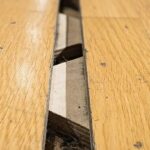
Warning Signs Your Denver Gym Floor Needs a Full Tear-Out and Replacement
June 11, 2026
Over time, even the best-installed hardwood gym flooring starts to show signs of wear. A gym floor wears down over time due to heavy foot traffic, equipment use, humidity fluctuations, and poor maintenance. The good news is that most problems can be fixed if you notice them early enough. Here are five issues that Denver sports facility managers face most often, along with ways to fix them.
1. Cupping
Cupping occurs when the edges of a board rise higher than the middle, making the gym floor look wavy. Usually, there is too much humidity below the floor and not enough above it, which is what causes it. This often takes place in Denver in the spring, when it’s raining outside and still hot inside.
Fix: Address the moisture source first. Once humidity is stabilized, mild cupping may flatten naturally. Severe cupping requires professional sanding after the wood has fully dried.
2. Scratches and Surface Wear
Hardwood floors get scratched and dulled over time by things like athletic shoes, equipment drag, and bleacher movement. In addition to looking bad, a worn finish makes it harder to grip, which is directly dangerous for athletes.
Fix: Regular maintenance of the gym floor, such as an annual screen and coat, keeps the finish safe and non-slip. Scratches that go all the way through to the wood need to be sanded down and re-coated.
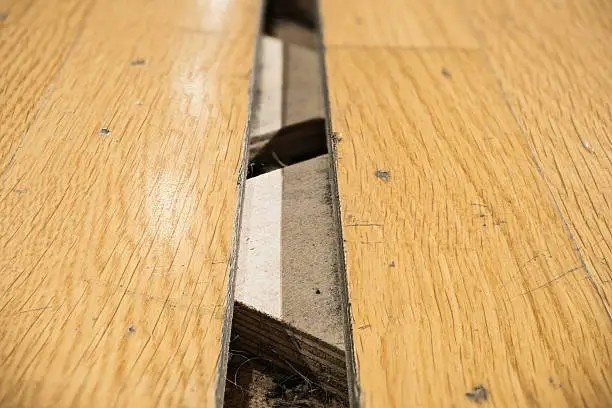
3. Gapping Between Boards
When hardwood dries out and shrinks, gaps appear between the boards. When it’s cold in Denver in the winter, the indoor humidity drops well below the 35–50% range, which is good for gym floors. This happens a lot.
Fix: Running humidifiers during dry months prevents excessive shrinkage. Minor gaps are normal and close naturally when humidity rises. Persistent wide gaps may require board replacement.
4. Peeling or Flaking Finish
When the protective finish starts to chip or peel, water, dirt, and wear can get to the bare wood underneath. This significantly speeds up damage and is a clear sign that maintenance on the gym floor has been put off.
Fix: If the finish is peeling, it’s probably time for a full sand-and-refinish. Complete resurfacing should be done every 8 to 10 years, according to the MFMA. Don’t wait until the finish is worn down to act.
5. Subfloor Soft Spots
If you walk on soft or bouncy spots, it means that the subfloor under the hardwood gym flooring has become less stable. This is usually because of water getting in, wood rot, or sleeper degradation. What’s wrong is with the structure, not the outside.
Fix: Soft spots need to be looked at by a professional right away. Repairs can range from replacing just a few boards to tearing up the whole floor, depending on the severity of the damage. If athletes don’t pay attention to soft spots, they could get hurt badly.
The Common Thread
Almost all problems with hardwood gym floors can be traced to one of two main causes: poor maintenance or uncontrollable moisture. It is much cheaper to avoid both problems in the first place by regularly cleaning, checking humidity, and having professional inspections. When problems do happen, you need to act quickly. Most of the time, getting help early makes the difference between a simple fix and a full replacement.
Keep Your Gym Floor Safe and Performance Ready
Don’t wait for little problems to become expensive repairs. Have a professional inspect and maintain your hardwood gym floor to catch problems early and extend its life.
Contact us today to schedule your consultation for a professional gym floor inspection and repair.