

Epoxy Flooring for Living Rooms: Modern Trend or Mistake?
May 1, 2026
Hardwood Gym Floor Maintenance Checklist for Denver Sports Facilities
June 8, 2026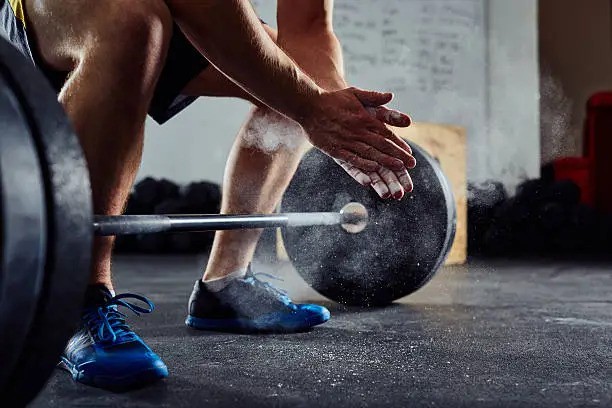
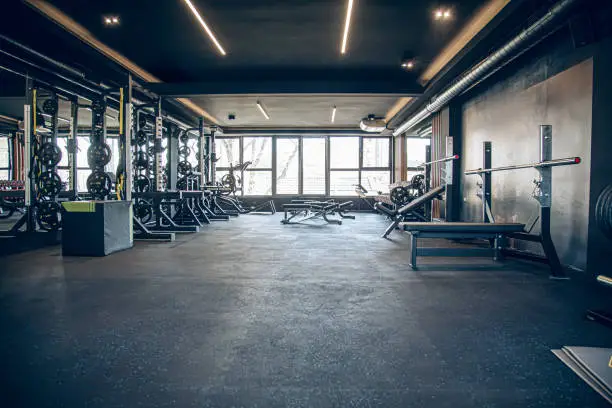
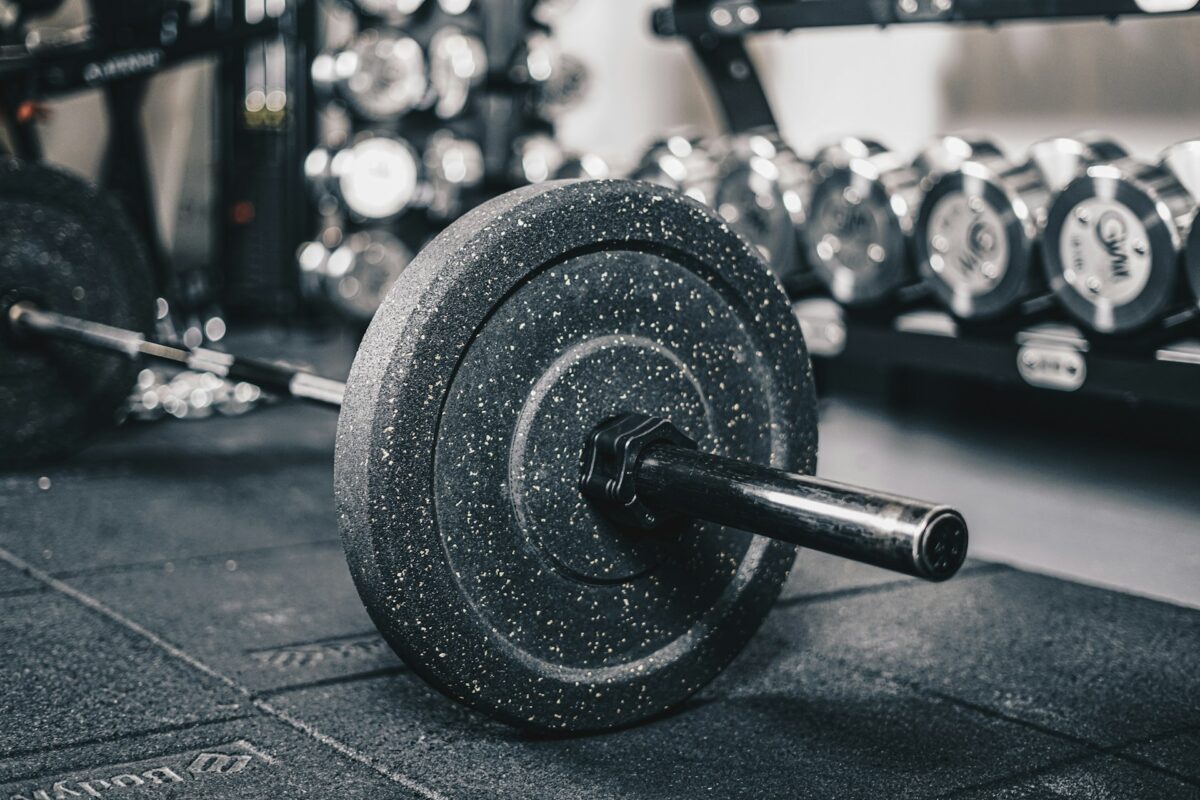
When you walk into a CrossFit box or functional training center, the first thing that strikes you is the floor. It’s not just for looks that the surface is thick, dense, and slightly springy. The choice is based on performance. For good reason, rubber gym floors are great for high-intensity training. The gym floor you use can make or break your workout, whether you’re dropping a loaded barbell, box jumping, or working hard through a WOD.
What Makes CrossFit Training So Demanding on Flooring?
CrossFit and functional training are not like most gym workouts. Soon, Olympic weightlifting, plyometrics, gymnastics, and metabolic conditioning are all mixed. Weights like barbells, kettlebells, and dumbbells fall from heights. People can sprint, jump, crawl, and lunge on the same surface for minutes at a time.
This level of variety and intensity places significant stress on any flooring material. Normal floors like wood, vinyl, and bare concrete aren’t made for high-intensity workouts. They break, scratch, and crack very quickly. Because they don’t protect against impacts or cushion the joints, the risk of injury increases with each session.
Key CrossFit Gym Rubber Flooring Benefits
The best things about rubber flooring for CrossFit gyms are these:
1. Superior Shock Absorption
For CrossFit, rubber flooring is a must for absorbing shock. High-rep plyometric exercises like box jumps, burpees, and double-unders place less stress on the knees, ankles, and hips thanks to this padding. Protecting against overuse injuries makes training careers last longer and be more stable.
2. Exceptional Durability Under Heavy Use
Rubber flooring is designed to be constantly abused. It is made of high-density vulcanized rubber, often recycled from tires, so it doesn’t dent, tear, or deform when compressed by heavy equipment. This constant use doesn’t cause rubber gym floors to crack, warp, or buckle.
3. Slip Resistance and Athlete Safety
Simply put, rubber gym floors are naturally rough, so they grip bare feet, athletic shoes, and chalk-covered hands when you move. Slip resistance works even when the floor is wet with water or sweat.
4. Noise and Vibration Dampening
Dropping barbells, slamming medicine balls, and moving in large groups all make noise and vibration. Rubber flooring is an acoustic buffer that stops sound from traveling through the building and lowers vibrations that would otherwise happen.
5. Versatility Across Functional Training Movements
Running, crawling, rolling, stretching, and floor-based gymnastics can all be done on rubber gym floors just as well. Rubber ensures consistent grip and cushioning, whether athletes are doing sled pushes, mobility drills, or Turkish get-ups.
Picking the Right Rubber Gym Floor: How Thick Is Important
Different types of rubber flooring have different thicknesses, which is the most important thing to consider for CrossFit. Here’s a quick breakdown:
- This 3/8″ (10mm) size is good for light functional training and cardio areas. Not a good idea for heavy barbell work.
- This 1/2″ (12–15mm) option is a good all-around choice for CrossFit setups at home and light commercial use.
- Commercial CrossFit boxes that handle a lot of drops and heavy Olympic lifting should have a thickness of 3/4″ to 1″ (20–25 mm).
- Fits weightlifting platforms that are 1.5″ or more (37 mm or more) deep and need the most impact protection.
Gym Floor Maintenance: Keeping Rubber Flooring in Peak Condition
Typical routine gym floor maintenance includes:
- Every day, sweep or vacuum to get rid of chalk dust, dirt, and other debris
- Wet mopping once a week with a pH-neutral cleaner is best. Harsh cleaners like bleach and solvents can damage the rubber over time.
- Deep cleaning with a disinfectant that is safe for rubber should be done regularly to keep high-traffic areas clean.
- Regularly checking the seams and edges and tightening any interlocking tiles that may have moved from being under a lot of weight
Rubber flooring vs. other types of gym flooring
When it comes to CrossFit and gym flooring in particular, rubber is the clear winner.
- Foam tiles: Get permanently compressed when heavy things are put on them, don’t last long, and aren’t stable enough for dynamic lifts.
- Hardwood or sport court: Barbells that are dropped on it easily scratch and dent it, and it doesn’t absorb shock well enough for Olympic lifting.
- Vinyl/LVT: Looks nice and is easy to clean, but it’s not made to withstand impact or the tough demands of CrossFit.
- Bare concrete: Zero cushioning, high injury risk, and extremely unforgiving on both athletes and equipment.
The Bottom Line
The floor of your CrossFit box or functional training center is very important for keeping athletes safe, making sure equipment lasts a long time, and improving gym performance. Rubber flooring is perfect for CrossFit and functional training because it absorbs shock, lasts a long time, doesn’t slip, quiets down, and supports movement patterns.
Good rubber gym floors can last for decades without compromising performance or safety if they are properly maintained. Rubber flooring isn’t just good for a new CrossFit box or functional training area, or when you change how you set up.
Build a Safer, Stronger CrossFit Gym Floor
Upgrade your training space with high-performance rubber flooring designed for CrossFit and functional workouts. Improve safety, durability, and athlete performance by starting to build your ideal gym today.
FAQs
1. Why is rubber flooring appropriate for CrossFit gyms?
Rubber flooring is ideal for CrossFit boxes/gyms because of its excellent shock absorption, high durability, and traction for high-impact workouts. It also protects the subfloor from heavy equipment and falling weights.
2. What is the appropriate thickness of rubber flooring for CrossFit?
The thickness totally depends on the equipment and workouts being performed. Heavier and more intense workouts generally require rubber flooring that is 3/4″ to 1″ thick.
3. Does rubber flooring help to reduce noise?
Rubber is a noise dampener, so it does help absorb some of the noise and vibrations caused by dropped barbells and exercise equipment.
4. How is rubber flooring in CrossFit gyms maintained?
For daily upkeep, all that is needed is to sweep or vacuum to clear debris and wipe down the surface with a damp mop using a neutral pH cleaner.
5. Is rubber flooring safe for functional training?
Yes. Rubber flooring gives proper surface traction and cushioning during workouts including running, jumping, lifting, crawling, and other functional exercises. Rubber flooring also absorbs impact.