

Tennis Court Resurfacing: When & Why It’s Needed
April 30, 2026
Why Is Rubber Flooring Ideal for CrossFit & Functional Training?
June 3, 2026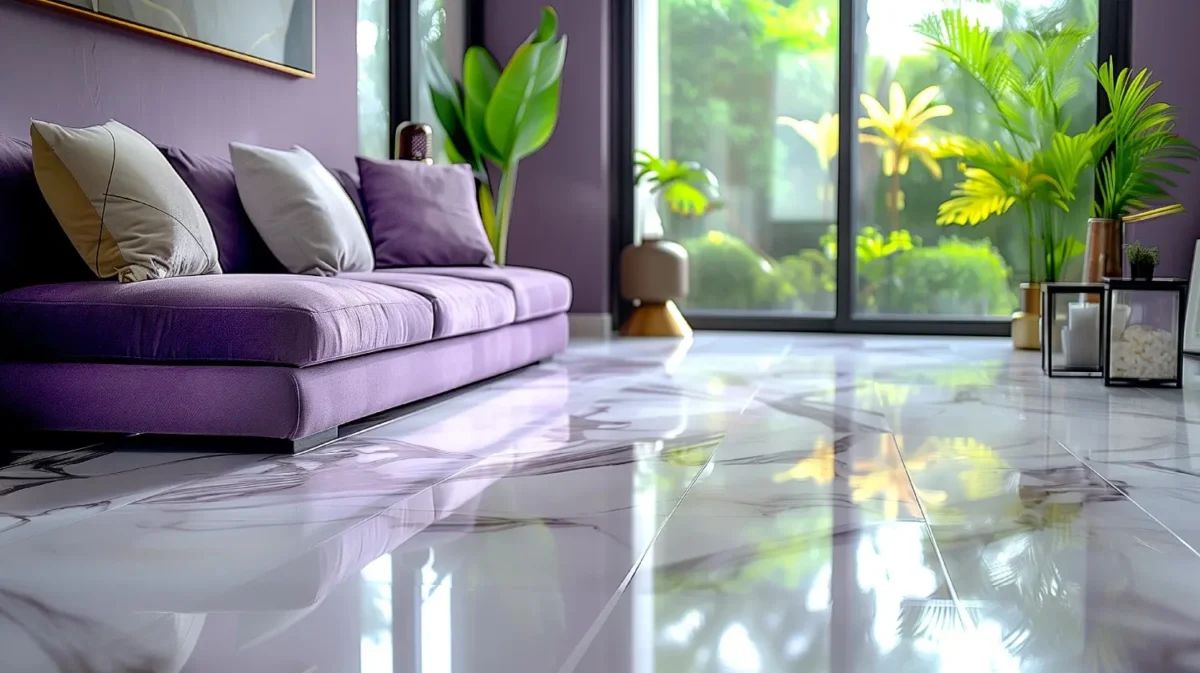
Historically, hardwood, tile, and carpet have been used as flooring in homes’ living rooms. These types of flooring have created a distinct look for homes that have stood the test of time. Also, they have been the most popular flooring options due to their familiarity, availability, and use in most homes. However, a change is occurring epoxy flooring, once associated exclusively with garages and commercial facilities, is now being found in modern living rooms.
This raises a practical question for homeowners: Is epoxy flooring a good long-term choice for a residential space, or is it better suited to a warehouse?
The answer to this question will depend on several factors, such as the design intent, installation quality, and the specific demands of the household.
Why Epoxy Flooring Is Moving into Living Rooms
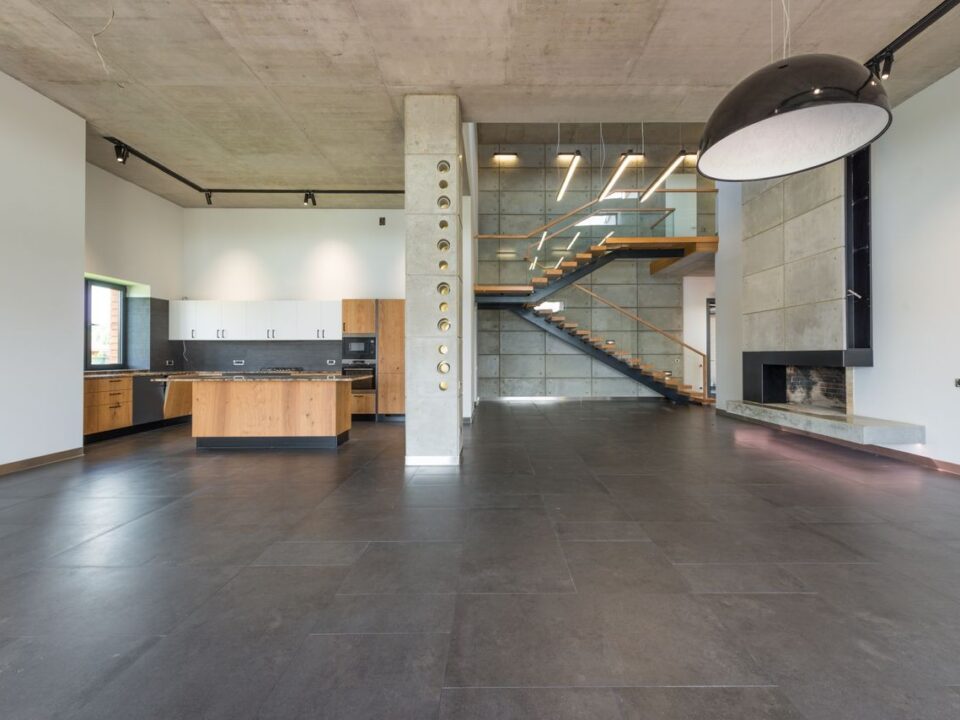
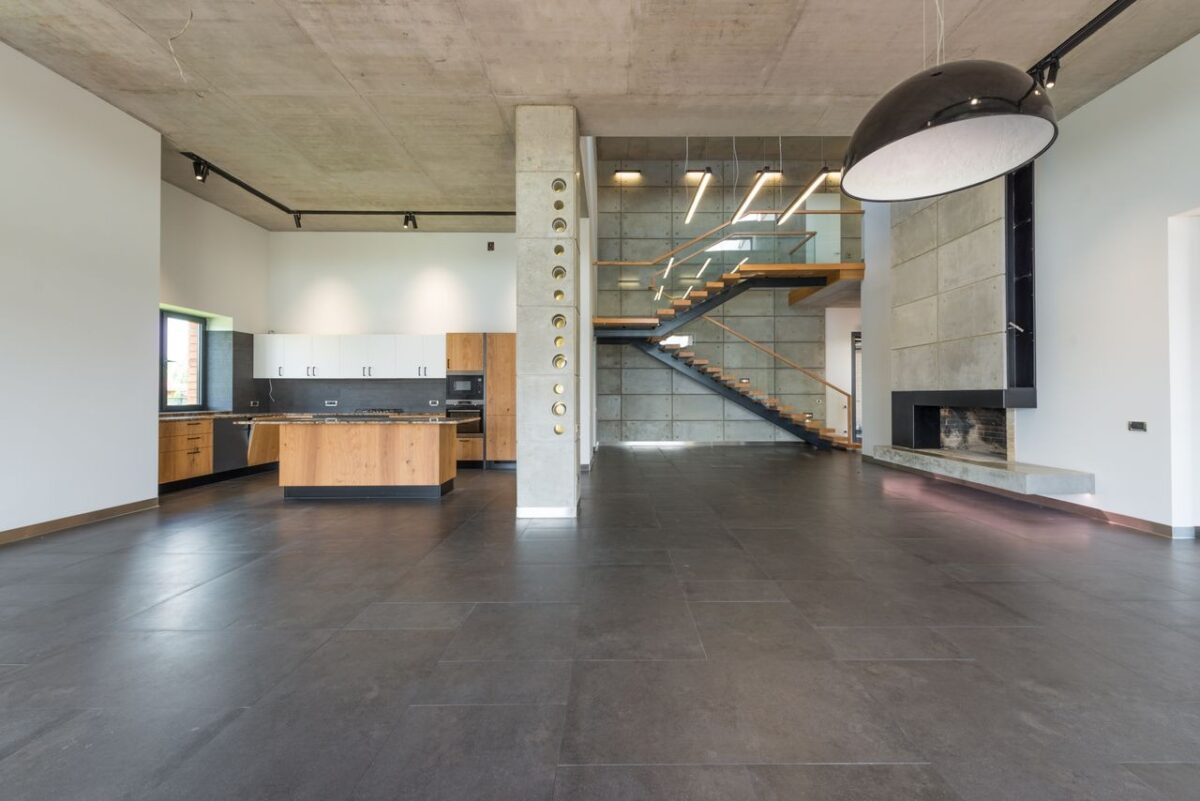
The rise in the popularity of sleek interior design has created demand for flooring that supports clean aesthetics. Epoxy floors can accomplish that demand because the material is poured rather than placed in pieces; there are no grout lines or seams, providing a uniform surface throughout the entire area covered by the flooring. In smaller living rooms, this visual continuity can make the space feel more open and cohesive.
Beyond aesthetics, another thing about epoxy flooring is that it is a practical choice for high-traffic residential spaces. When installed by a professional, an epoxy floor resists scratches, stains, moisture, and daily wear, and it can withstand the demands of households that include pets, children, and frequently moved furniture, without degrading in appearance or structural integrity.
Ease of maintenance is a factor that drives adoption. Unlike carpet, which can trap dust and allergens, and tile’s grout, which retains residue, epoxy floors are very easy to maintain. Spills can be removed from the surface without leaving any stains, and regular sweeping and mopping will keep the surface in good condition.
What Makes Epoxy Floors Suitable for Living Room Design
Epoxy flooring has several advantages over other types of flooring in a residential environment, but the primary advantage is its design versatility. The material is available in a wide range of finishes, such as metallic coatings that produce a marble-like appearance, matte options that create a softer visual tone, and textures that replicate concrete, stone, or terrazzo. These options allow homeowners to match the flooring with their existing interior design.
Epoxy floors go well with the radiant heating systems. If you have a living room that needs warmth for your feet, this is also a good reason why choosing epoxy may be a better fit for your living space than you had previously thought.
Lastly, open floor plans are gaining popularity in residential homes. Epoxy flooring provides a seamless transition from the living area to the dining space.
Where the Concerns Are Valid
It’s often said that epoxy flooring feels too industrial for a living room. Poor design choices, reflective finishes, cold color palettes, or mismatched interiors can result in a space that feels sterile. These are generally caused by poor planning or inexperienced installation and not because of an issue with the actual product itself.
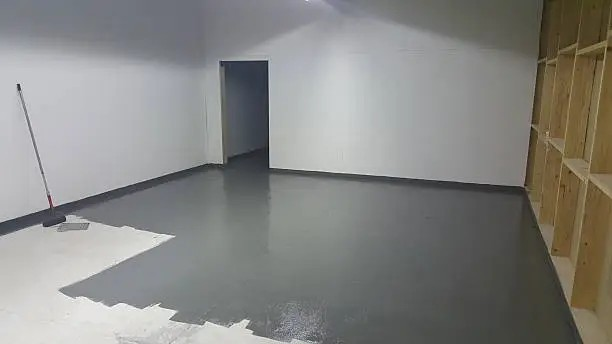
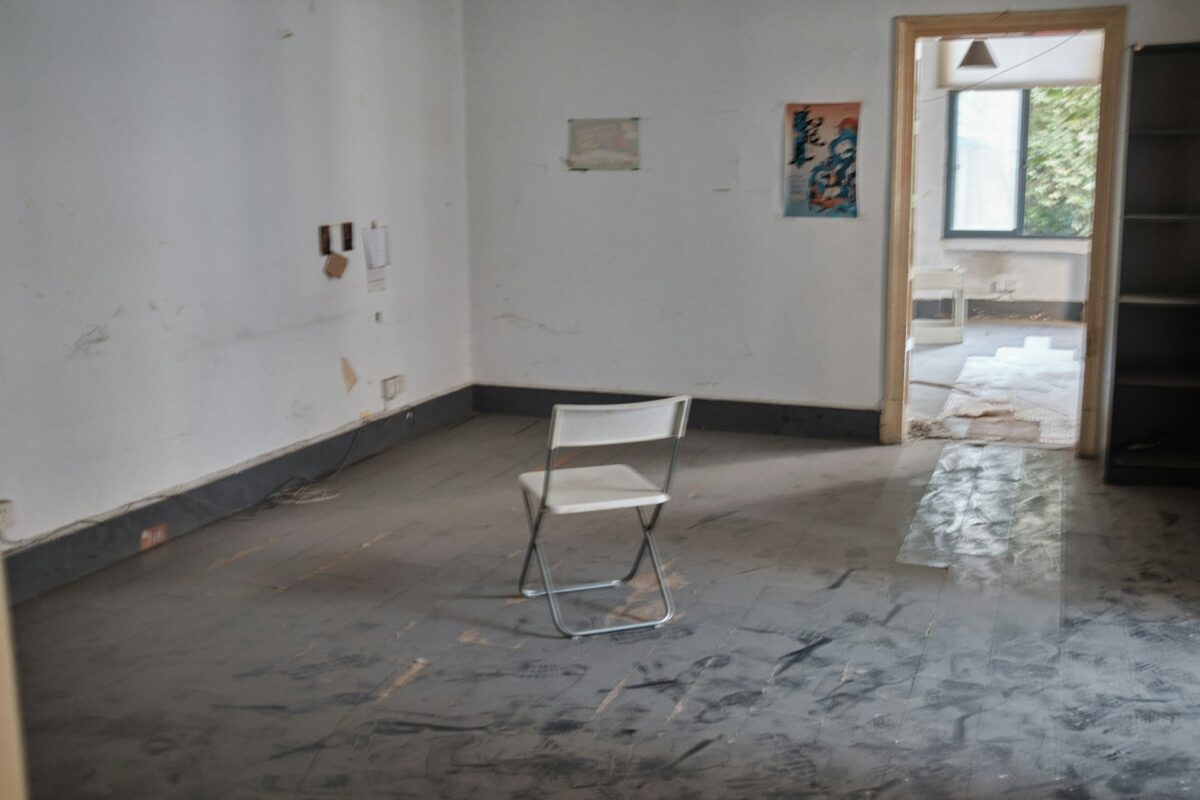
Installation quality is an important factor in the appearance of epoxy floors. Improper subfloor preparation can lead to adhesion failure, bubbling, or peeling over time. Low-quality coatings are prone to yellowing with prolonged UV exposure. High-gloss finishes can create slip hazards if slip-resistant additives are not incorporated into the mix. These issues are prevented by experienced epoxy flooring experts.
Working with qualified professionals also ensures that finish selection, sheen levels, texture, colour, and temperature are matched to the conditions of the room rather than applied generically.
Practical Considerations for Homeowners
Epoxy flooring is a hard surface. Homeowners who prefer a softer feel underfoot may find that area rugs layered over epoxy provide both comfort and an additional design element. This combination is increasingly common in contemporary interiors and works well aesthetically with most epoxy finishes.
Regarding durability, quality epoxy floors resist scratching under normal household conditions. Standard precautions, such as using furniture pads, are recommended regardless of the flooring material.
Cost is a relevant factor. Professional epoxy installation involves a higher upfront investment than some conventional flooring options. However, when evaluated over the lifespan of the floor, the low maintenance requirements and resistance to damage often offset that initial cost.
Is Epoxy Flooring Right for Your Living Room?
Epoxy flooring is in modern, minimalist, and open-concept interiors. It is well-suited to homes in warmer climates and spaces that prioritize ease of maintenance. Homes with a rustic, traditional, or highly textured design language may not benefit from epoxy floors in the same way.
The material itself is neither a universal solution nor a trend to avoid. Its suitability is determined by how well it aligns with the specific design, functional, and structural conditions of the space. When installed correctly by skilled epoxy flooring experts, epoxy floors deliver a durable, low-maintenance surface that holds its appearance over time. When approached without proper planning or professional execution, the result can fall short of expectations.
For homeowners considering epoxy floors in their living room, the most important step is consulting with experienced professionals who can assess the space and recommend the right system for the intended application.
Considering the Best Flooring Option for Your Home?
Get in touch with All Colorado Surfaces right away to get advice from our specialists about the best floor choice for you.